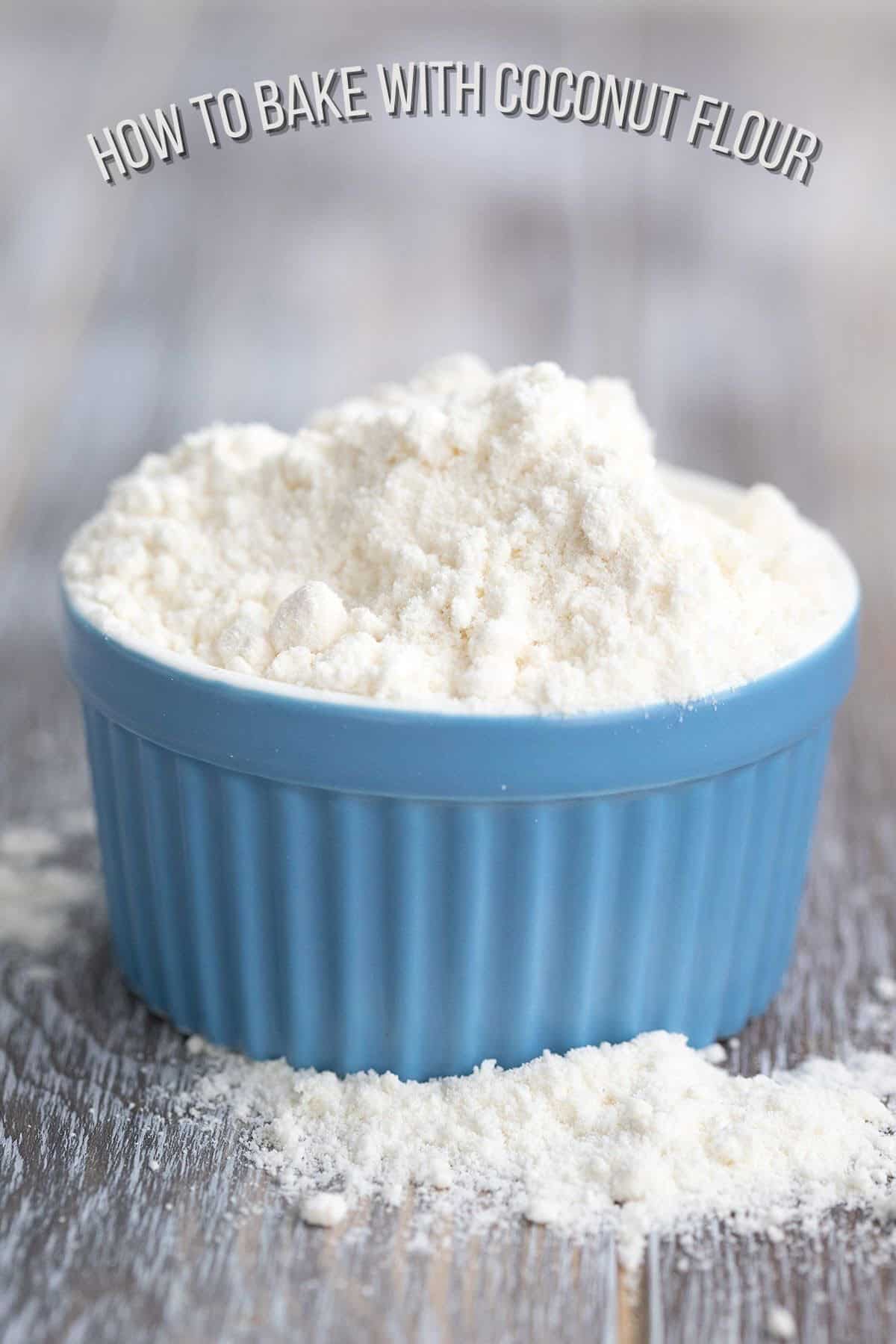
Baking with Coconut Flour
Low-Carb Coconut Flour Recipes Without Almond Flour | Allergy-Friendly
Coconut flour is a versatile ingredient that can be used to create delicious and healthy recipes. It is a popular choice for those following a low-carb or gluten-free diet, as it is high in fiber and low in carbohydrates. In this post, we will share some mouthwatering coconut flour recipes that are perfect for Asian people and anyone looking to incorporate this nutritious ingredient into their cooking.
 Coconut Flour Shortbread Cookies (No Eggs)
If you’re craving a sweet treat, these coconut flour shortbread cookies are a must-try. They are not only delicious but also egg-free, making them suitable for those with egg allergies. The combination of coconut flour, butter, and a touch of sweetener creates a buttery and melt-in-your-mouth texture. These cookies make a perfect snack or dessert option for Asian people who are looking for a healthier alternative.
 Coconut Flour Pizza Crust (Vegan)
Yes, you read that right - a delicious and healthy pizza crust made with coconut flour. This vegan-friendly recipe is a fantastic option for those following a plant-based diet or looking to reduce their gluten intake. The crust is light, crispy, and holds all your favorite toppings perfectly. It’s a guilt-free way to enjoy a classic favorite without compromising on taste.
 Coconut Flour Biscuits- Just 4 Ingredients!
These coconut flour biscuits are incredibly easy to make with just four simple ingredients. They are fluffy, buttery, and make the perfect addition to any meal. Whether you enjoy them for breakfast, lunch, or dinner, they are sure to satisfy your cravings. For Asian people who are looking for a quick and delicious side dish or snack, these biscuits are a go-to option.
 How to Prepare Coconut Flour Recipes
Preparing coconut flour recipes is relatively simple. Start by gathering all the necessary ingredients listed for your chosen recipe. Ensure you have fresh coconut flour, as it tends to absorb moisture over time and may affect the outcome. Follow the recipe instructions carefully, as coconut flour behaves differently from regular flour due to its high fiber content.
Coconut flour tends to clump together, so it’s important to sift it before adding it to your recipe. This will ensure a smooth and uniform texture. Combine the coconut flour with other dry ingredients, such as baking powder or salt, and mix well. In a separate bowl, whisk together the wet ingredients, such as eggs or milk, before gradually incorporating the dry ingredients. Mix until well combined.
When it comes to baking with coconut flour, it’s essential to note that it absorbs more liquid than traditional flours. So, don’t be surprised if your batter or dough appears thicker than expected. This is perfectly normal and will result in a moist and tender final product.
Preparation Time and Servings
The preparation time for coconut flour recipes may vary depending on the complexity of the dish. However, most recipes can be prepared within 30 minutes to an hour. As for servings, it’s best to refer to the specific recipe for accurate information.
Nutrition Facts
Coconut flour is packed with nutrition and offers several health benefits. It is rich in fiber, which aids digestion and promotes feelings of fullness. Additionally, it contains beneficial fats that support heart health and is low in carbohydrates, making it suitable for those following a low-carb or keto diet.
Tips for Working with Coconut Flour
Here are some essential tips to keep in mind when working with coconut flour:
- Always sift the coconut flour to remove any lumps and ensure an even texture.
- Use a small amount of coconut flour compared to regular flour, as it absorbs more liquid.
- Increase the number of eggs or other wet ingredients to maintain moisture in your recipes.
- Coconut flour can be quite dense, so it’s often combined with other flours or ingredients, like almond flour or psyllium husk, to improve texture.
FAQs
Q: Can I substitute coconut flour for all-purpose flour in any recipe?
A: Coconut flour is not a direct substitute for all-purpose flour due to its unique properties. It absorbs more liquid and requires additional eggs or liquids to maintain the desired consistency. It’s best to use recipes specifically developed for coconut flour or follow tested conversion charts for best results.
Q: Is coconut flour suitable for those with nut allergies?
A: Yes, coconut flour is a nut-free alternative that can be enjoyed by those with nut allergies. It is made from the flesh of coconuts, which is classified as a fruit, not a tree nut.
Q: Are coconut flour recipes suitable for diabetics?
A: Coconut flour is low in carbohydrates and has a lower glycemic index compared to wheat flour, making it a suitable choice for individuals with diabetes. However, portion control is still crucial, as it contains calories and can affect blood sugar levels.
Coconut flour opens up a world of possibilities when it comes to cooking and baking. This nutritious ingredient adds flavor, texture, and health benefits to your favorite dishes. Whether you’re looking for sweet treats or savory meals, these coconut flour recipes are sure to delight Asian people and anyone seeking delicious and healthy options.
