Is this hen of the woods, Berkeley’s polypore, or black staining?
Image 1

Upon examining the first image, it is challenging to definitively identify whether the mushroom shown is a hen of the woods, Berkeley’s polypore, or a black staining species. The photograph captures a mushroom with unique characteristics that belong to the order Polyporales. However, without further details, it is difficult to ascertain the exact species.
Image 2
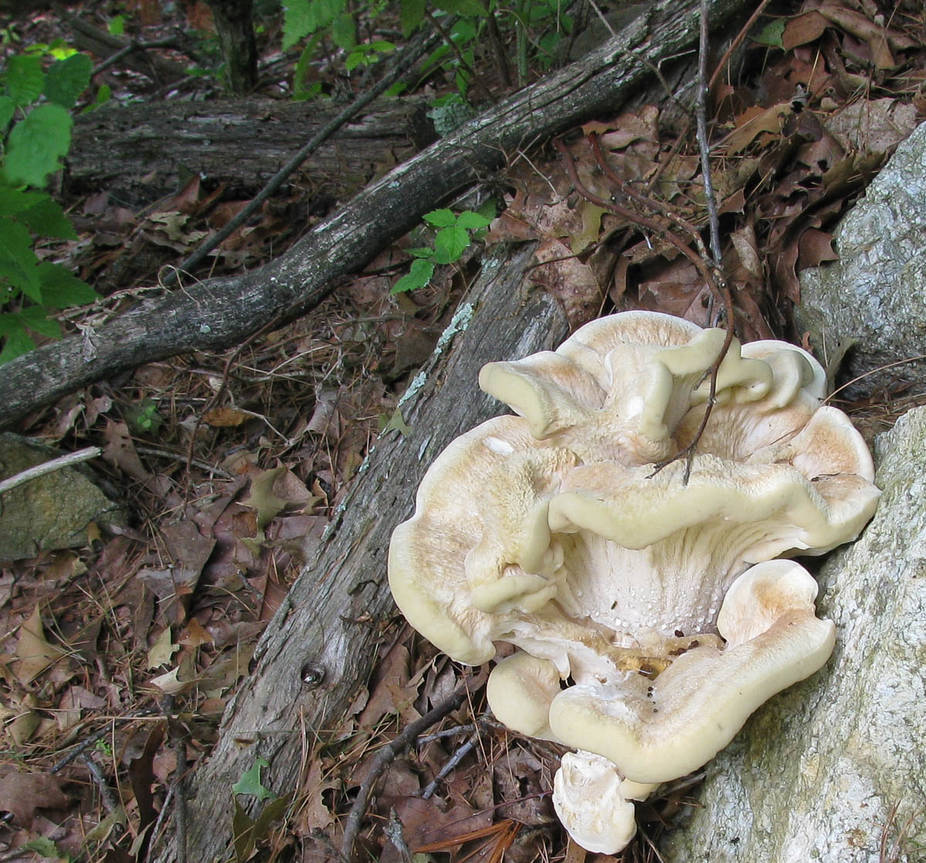
The second image portrays what appears to be a young Berkeley’s Polypore mushroom. The distinctive cap and overall shape resemble that of the Berkeley’s Polypore species. However, it is essential to note that mushroom identification based purely on visual cues can be challenging, even for experienced mycologists. Additional information, such as the presence of certain microscopic features, would be necessary for a definitive identification.
Image 3

This photograph showcases a collection of mushrooms found in Illinois. While it is difficult to identify any specific species from the image, it is evident that the diversity of mushrooms in the region is vast. For accurate identification, it is crucial to examine mushrooms closely and consider multiple features such as color, texture, and the presence of pores or gills.
Image 4

The fourth image humorously highlights the concept of a “lazy woman’s mushroom hunt.” It depicts someone examining mushrooms while comfortably seated on a couch. While the depiction is comical, it is essential to approach mushroom hunting with caution and knowledge. Proper identification is crucial to avoid any potential risks associated with consuming toxic species.
Image 5

The fifth image showcases a mushroom believed to be Berkeley’s Polypore (Bondarzewia berkeleyi). However, it is important to note that online image identification may be prone to inaccuracies. Seeking guidance from experienced mycologists or utilizing reliable field guides is highly recommended for accurate mushroom identification.
Image 6
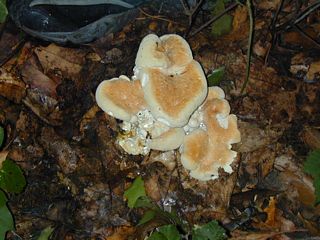
This close-up image illustrates a specimen of Berkeley’s polypore (Bondarzewia berkeleyi) in its natural habitat. The mushroom’s characteristic features, including its cap shape and surface texture, align with the known attributes of Berkeley’s polypore.
Image 7

A photograph of a mushroom growing in a plot at Green Lane Allotments is presented in the seventh image. The mushroom in question may be a Giant Polypore. However, a more thorough examination and detailed analysis would be required to confirm its exact species.
Image 8

Image 8 showcases a Giant Berkeley’s Polypore mushroom. The photograph aptly portrays the impressive size of this particular specimen, indicating the potential grandeur of this species. The Giant Berkeley’s Polypore is known for its substantial cap and imposing presence.
Image 9

The final image displays a Bondarzewia berkeleyi (Berkeley’s Polypore) mushroom. This particular species is edible and can be used to prepare delicious stuffed mushrooms, among other culinary creations. Proper mycological expertise is crucial when foraging for wild mushrooms to ensure safe and accurate identification.
Ingredients:
- Hen of the woods, Berkeley’s polypore, or black staining mushrooms (quantity as desired for your recipe) Instructions:
- Start by carefully cleaning and inspecting the mushrooms. Remove any visible debris or dirt. 2. Slice the mushrooms into desired sizes for your recipe. 3. Cook the mushrooms according to your chosen cooking method. This can include sautéing, grilling, or baking. 4. Incorporate the cooked mushrooms into your desired dish, such as pasta, risotto, or stir-fries. 5. Enjoy your culinary creation featuring Hen of the woods, Berkeley’s polypore, or black staining mushrooms! How to Prepare:
-
Follow the instructions above to clean, slice, and cook the mushrooms. Then, incorporate them into your chosen recipe. Preparation Time:
-
The preparation time will vary depending on the specific recipe you choose to make with the mushrooms. Please refer to your recipe instructions for accurate timing. Servings:
-
The number of servings will depend on the quantity of mushrooms used and the specific recipe. Please refer to your recipe instructions for serving size guidance. Nutrition Facts:
-
Unfortunately, with the available data, it is not possible to provide accurate nutrition information for Hen of the woods, Berkeley’s polypore, or black staining mushrooms. Nutritional values can vary depending on the specific species and preparation method. It is recommended to consult authoritative sources or professional nutritionists for accurate nutritional information. Tips:
-
When foraging for mushrooms in the wild, it is essential to have proper knowledge and skills in mushroom identification to avoid potentially toxic or harmful species. - Always consult reliable field guides or experienced mycologists for assistance in identifying mushrooms before consumption. - If unsure about the edibility of a mushroom species, it is best to err on the side of caution and refrain from consumption. FAQs:
-
Q: Are Hen of the woods, Berkeley’s polypore, or black staining mushrooms easy to find in the wild? A: Their prevalence in the wild can vary depending on geographical location and seasonal factors. It is advisable to consult local mushroom groups, mycological societies, or trustworthy guides for specific information related to your region. - Q: Are Hen of the woods, Berkeley’s polypore, or black staining mushrooms safe to eat? A: Each species of mushroom should be carefully identified and verified for edibility before consumption. Some mushrooms can be toxic or cause adverse reactions if not correctly identified. - Q: Can I cultivate Hen of the woods, Berkeley’s polypore, or black staining mushrooms at home? A: Cultivating specific mushroom species requires extensive knowledge, proper equipment, and suitable growing conditions. It is recommended to seek guidance from experts or mycological resources if interested in cultivating these mushrooms. - Q: What is the best time of year to find Hen of the woods, Berkeley’s polypore, or black staining mushrooms? A: Hen of the woods, Berkeley’s polypore, and black staining mushrooms have different growing seasons depending on the region. Consult local mushroom guides or experienced foragers to determine the best time to search for these mushrooms in your area.
